In March 2024, we needed 600 CNC aluminum parts for a washing machine Y splitter assembly. Our regular vendor was at capacity. I found a new machining service that quoted 18% less and promised 10-day delivery. We approved the PO. On day 9, they said tooling was delayed. On day 12, parts arrived. About 40% had burrs, and two mounting holes were out of tolerance. We missed our assembly window.
The official problem was “supplier delay.” That wasn’t the real problem.
I am the office administrator for a 140-person company. I manage all machining service ordering—roughly $650,000 annually across 11 vendors. I report to both operations and finance. On paper, my job is to get the best price. In practice, my job is to make sure the line doesn’t stop.
The Problem Everyone Sees: Late Parts and Ugly Surprises
When a custom forging or brass hose connector arrives late, the surface problem looks simple: the supplier missed the date. When a batch of 4 pin aircraft connectors fails incoming inspection, it looks like a quality issue. When a CNC aluminum part doesn’t fit the fixture, it looks like a tolerance problem.
Most buyers focus on per-unit pricing and completely miss the cost of uncertainty. I did that for years. I compared quotes by the piece, chased the lowest number, and treated delivery as a promise instead of a variable. Then I started tracking what happened after the quote.
The question everyone asks is “what’s your best price?” The question they should ask is “what’s included in that price—and what happens if the schedule slips?”
The Deeper Issue: You’re Not Buying Parts. You’re Buying a Production Slot.
Here’s what took me too long to understand. A machining service doesn’t sell metal. It sells time on machines, people, and inspection. Custom forgings need dies, heat treat, and sometimes NDT. CNC aluminum parts need fixtures, programming, and first-article approval. Brass hose connectors need thread gauges and pressure testing. A washing machine Y splitter might need leak testing and clean packaging. A 4 pin aircraft connector might need plating certs, continuity checks, and traceability.
When a supplier quotes 18% below everyone else, something has to give. It might be slack in the schedule. It might be inspection. It might be material certification. It might be the experience level of the person estimating the job.
People think expensive vendors deliver better quality. Actually, vendors who deliver quality can charge more. The causation runs the other way. The shop that plans for inspection, maintains its equipment, and builds buffer into schedules has higher costs. The cheap quote often assumes everything goes right. In manufacturing, everything rarely goes right.
Why the Lowest Quote Often Has the Least Slack
In 2024, I collected quotes for a batch of CNC aluminum parts. Three suppliers quoted 12–14 days. One quoted 7 days at 20% less. I asked how they could beat everyone by a week. The answer was “we have capacity.” That was not a process plan.
When I pushed, they admitted the material wasn’t in stock, the fixture didn’t exist yet, and they hadn’t reviewed the tolerance stack. They were estimating hope, not production.
“The material came in late. We’ll try to ship Friday.”
That sentence has cost me more than any price increase. “We’ll try” is not a delivery date. It’s a warning label.
The Hidden Variables: Material, Fixturing, and Inspection
Custom forgings are not off-the-shelf. Lead time depends on die availability, heat-treat queue, and whether the forge has the right alloy. CNC aluminum parts depend on fixture design and whether the shop can hold flatness after machining. A washing machine Y splitter may look simple until you need a leak-free joint at pressure. A 4 pin aircraft connector may pass visual inspection but fail continuity or plating thickness. A brass hose connector may have the right thread callout but the wrong pitch gauge.
These are not exotic problems. They are normal. The difference is whether the supplier plans for them before the PO is issued or discovers them after the deadline.
What It Actually Costs When Certainty Breaks
I still kick myself for a 2023 decision. We saved $640 by switching a brass hose connector order to a new machining service. The parts arrived with the wrong thread pitch. We air-freighted replacements at $2,800, lost three days of assembly, and ate about $9,000 in delayed output. Finance also rejected the original invoice because the material certs were missing. The $640 savings turned into a five-figure mess.
After the third late delivery from the same vendor, I was ready to give up on them entirely. What finally helped was building in buffer time rather than trusting their estimates. But buffer time is not free either. It ties up inventory and delays revenue.
The most frustrating part of vendor management: the same issues recurring despite clear communication. You’d think a PDF drawing would prevent misunderstandings, but interpretation varies wildly. One shop reads a general tolerance block. Another ignores it. One treats a note as advisory. Another charges extra for it.
In our own tracking, rush freight on a pallet of CNC aluminum parts averaged 3.2x standard LTL in 2024. That is before overtime, rework, and the cost of telling a customer their order is late. For custom forgings, a missed heat-treat window can add a week. For 4 pin aircraft connectors, a missing certificate can hold up an entire shipment even if the parts are physically fine.
The real cost isn’t the expedite fee. It’s the cascade: line downtime, missed shipments, finance holds, and the credibility you lose with operations. My VP doesn’t remember the $400 we saved. She remembers the morning I told her the washing machine Y splitter assembly was stopped.
The Real Fix: Pay for Certainty, Not Just Speed
In March 2024, we paid $400 extra for rush delivery on a small batch of brass hose connectors. The alternative was missing a $15,000 event. That was a no-brainer. The extra money didn’t buy speed. It bought a confirmed slot, a named contact, and a written commitment.
That is the point. When the deadline is fixed, delivery certainty is worth a premium. The safe statement is simple: an uncertain cheap quote is more expensive than a confirmed higher quote. “Probably on time” is the biggest risk in urgent purchasing.
So now I treat certainty as a line item. Before I place a rush order for any machining service, I ask five questions:
- What is the committed ship date, in writing, and who owns the schedule?
- Are material certs, inspection reports, and test data included?
- Has the first article been approved for critical features?
- What is the communication cadence—daily, every other day, or only when something goes wrong?
- If the schedule slips, what is the recovery plan and who pays for expedited freight?
For custom forgings, I confirm die ownership and heat-treat capacity. For CNC aluminum parts, I ask about fixture design and in-process inspection. For a washing machine Y splitter, I require a leak-test record. For a 4 pin aircraft connector, I need continuity and plating documentation. For a brass hose connector, I want thread gauges and pressure-test results. None of this is glamorous. All of it prevents the kind of failure that makes a purchasing admin look bad.
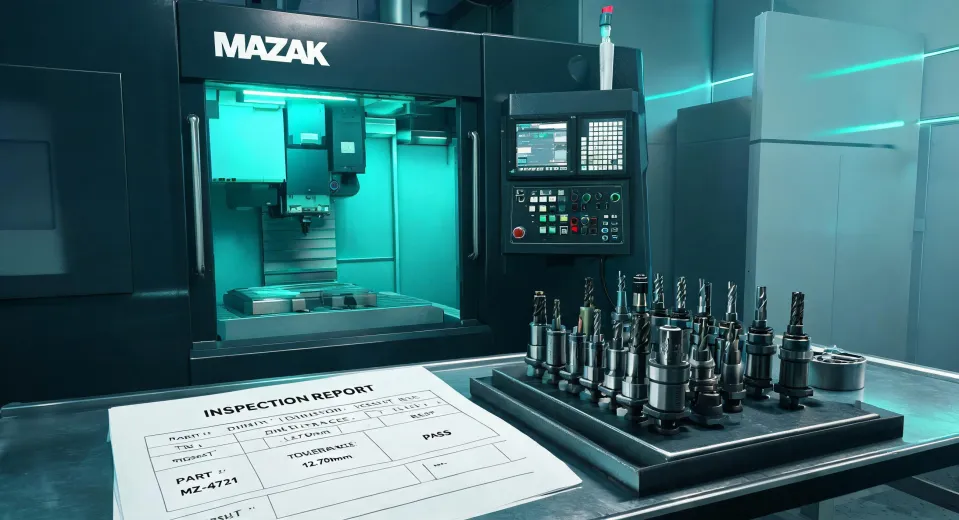
I also ask what equipment runs the job. If a shop runs Mazak CNC lathes and machining centers, that is not a guarantee of quality. But it usually tells me they are used to repeatability, tight tolerances, and production planning. When a supplier cannot tell me what machine will run my parts, that is a red flag.
Bottom line: the cheapest quote is not the lowest price. It is the one that arrives when promised, in spec, with paperwork finance accepts. When the deadline is real, pay for certainty. The alternative is paying for it later, with interest.
Prices and lead times vary by supplier, material, and urgency. Verify current quotes and certification requirements before placing an order.